Hey everyone, it’s your friendly neighborhood ArcheAge enthusiast here, and let me tell you, there’s nothing quite like the rush of downing a world boss.
We’ve all been there: frantically scrambling to find a group, rushing across continents, only to arrive just as the boss is wiped or, even worse, completely miss the spawn.
It’s frustrating, right? I’ve personally spent countless hours mapping out routes and trying to coordinate with guildies, and through all that trial and error, I’ve learned that timing truly is everything in this game.
Missing a crucial world boss can set you back significantly, not just in terms of gear and gold, but also in guild prestige and that sweet, sweet competitive edge we all crave.
In today’s fast-paced gaming world, where efficiency and maximizing every minute of your playtime are key, knowing the precise spawn windows for those epic encounters isn’t just helpful—it’s absolutely essential for staying ahead of the curve.
If you’re looking to optimize your playtime, secure those coveted drops, and ensure your guild is always ready to dominate the battlefield, then you’re in the perfect spot.
Let’s unravel the exact timings together and make sure you never miss another world boss again!
Decoding the Clockwork: Understanding Spawn Mechanics
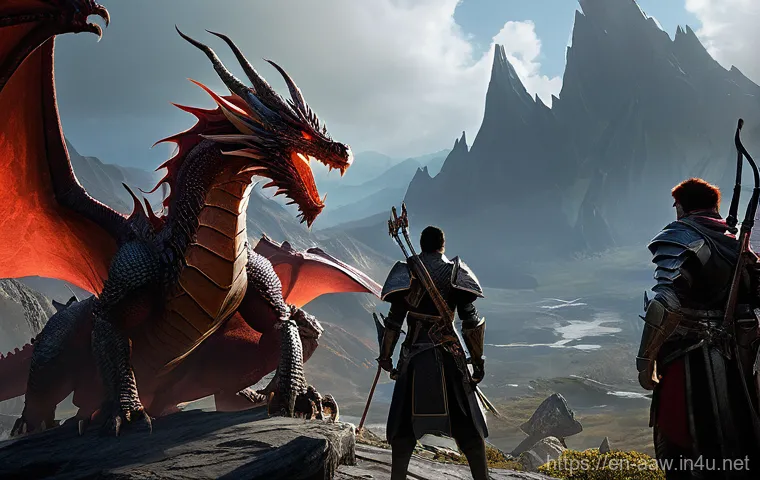
Okay, so you’ve geared up, you’ve got your potions, and you’re ready to dive into the fray. But knowing *when* to dive is half the battle, isn’t it? I’ve seen countless players, myself included, waste precious hours hovering around a spawn point, only to find out we were completely off. It’s soul-crushing when you realize you could have been farming or doing dailies instead. What I’ve personally discovered, through a lot of painful misses and exhilarating hits, is that understanding the underlying mechanics of how these bosses appear is more crucial than just memorizing a static timer. Many of ArcheAge’s most coveted world bosses don’t just pop up on a rigid schedule; they often have complex conditions or spawn windows that can fluctuate based on server events or even player activity. For instance, some bosses might only appear after a certain in-game event concludes, or their timer might reset based on when they were last defeated. This dynamic element is what makes tracking them so challenging yet incredibly rewarding when you finally nail it. It’s not just about setting a timer; it’s about reading the game world and anticipating what’s next.
The Predictable vs. The Elusive: Knowing Your Target
First things first, let’s categorize these magnificent beasts. You’ve got your relatively predictable bosses – the ones with fairly consistent respawn timers once they’ve been taken down. These are your bread and butter for consistent drops and reputation. My guild and I always keep a rotating schedule for these, making sure we have eyes on the ground or someone ready to jump in. Then there are the truly elusive ones, the rare spawns that might only show up under specific, often mysterious, circumstances or have incredibly long, unpredictable timers. These are the ones that really test your patience and network. I remember one time, we spent an entire weekend scouting for a particular boss, coordinating across multiple zones, only to have it despawn because we missed a crucial pre-requisite step. It was a tough lesson, but it taught me that detailed research is non-negotiable for these high-stakes targets. Trust me, a little homework goes a long way when you’re hunting for that rare drop.
Community Intelligence: Your Best Weapon
Speaking of homework, one of the biggest game-changers for me has been leveraging community intelligence. No single player can be everywhere at once, and even the most dedicated solo tracker will miss things. This is where your guild, your alliance, and even broader community Discords or forums become invaluable. I’ve personally contributed to and benefited immensely from shared spreadsheets and live updates that track boss kills and anticipated spawns. It’s a collective effort, and when everyone contributes, everyone benefits. I’ve seen entire servers rally together to ensure everyone gets a fair shot at a boss, sharing spawn times in real-time. But a word of caution: always double-check information if you can. While most players are helpful, misinformation can spread quickly, leading to wasted time. Cross-referencing with a trusted source or a quick in-game scout can save you a lot of frustration. Building a reliable network of fellow boss hunters is honestly one of the most effective strategies you can adopt.
The Art of the Scout: Predictive Tracking and Reconnaissance
I’ve always said that success in ArcheAge isn’t just about raw power; it’s about superior information. And when it comes to world bosses, that means becoming a master scout. It’s more than just knowing a timer; it’s about understanding patrol paths, common gathering spots for opposing factions, and even subtle environmental cues that might signal an imminent spawn. I’ve spent countless hours, sometimes disguised, sometimes cloaked, just observing key locations, trying to piece together the puzzle of when and where the next big fight would erupt. There’s a certain thrill to it, like being a detective in a high-stakes game. My personal approach often involves setting up alternate characters, strategically placed near common boss zones, purely for reconnaissance. They don’t need gear; they just need to see and report. This way, you’re not caught off guard, scrambling to get your main character to the location. It’s about proactive engagement rather than reactive scrambling, which has saved my guild and me from missing countless opportunities.
Optimal Observation Points and Routes
Choosing the right vantage point is crucial. For some bosses, it might be a distant hilltop that offers a wide view of the spawn area, allowing you to see enemy movements without being spotted. For others, particularly those in underwater zones or contested territories, it means having a fast ship or a reliable submarine ready to go, and knowing the quickest, safest routes to get there. I still remember the first time we managed to secure a Kraken kill solely because our scout had a direct line of sight from a hidden cove, giving us a precious few minutes head start over a rival faction. These small advantages compound over time, giving your group a significant edge. Practice these routes. Learn the terrain. Every second saved in transit is another second you can dedicate to damage, healing, or crowd control. This kind of intimate knowledge of the game world isn’t something you can buy; it’s earned through experience and dedication.
Leveraging In-Game Tools and External Timers
While I advocate for active scouting, we’re not living in the stone age! There are invaluable tools at our disposal. In-game timers, if your server or client has them, are a fantastic baseline. But don’t rely solely on them. The real power comes from combining these with external resources. I’ve personally contributed to and heavily used community-driven spreadsheets and Discord bots that track world boss kills across servers. Many guilds maintain their own private logs, cross-referencing kill times to predict the next window with remarkable accuracy. It takes a bit of setup, but once you have a reliable system in place, it becomes second nature. This blend of boots-on-the-ground intel and organized data management is how you transform from a casual boss hunter into a true apex predator. It’s about working smarter, not just harder, to get those coveted drops.
Forging the Vanguard: Guild Coordination and Communication
Let’s be real: taking down most ArcheAge world bosses solo is a pipe dream, unless you’re incredibly overgeared or the boss is a very minor one. For the big hitters, it’s a team effort, and frankly, your guild is your family in this game. Effective coordination and lightning-fast communication can mean the difference between celebrating a successful kill and nursing your wounds at a respawn point. I’ve been in countless raids where everything went perfectly because everyone knew their role, and I’ve been in just as many where a lack of clear communication led to a complete wipe. It’s a humbling experience to realize that even the best gear won’t save you if your team isn’t on the same page. That’s why building a strong, communicative guild culture focused on boss hunting is paramount. It’s not just about who shows up; it’s about how you function as a cohesive unit under pressure.
Establishing Clear Roles and Strategies
Before you even think about engaging a boss, everyone needs to know their job. Who’s tanking? Who’s on healing duty? Are there dedicated crowd control specialists? What’s the primary damage focus? Where are the rally points if things go south? My guild always runs through a quick checklist before we even start moving towards a boss. We’ve even got contingency plans for when rival factions show up, which, let’s face it, is a pretty common occurrence. I’ve learned that a well-drilled team, even if slightly undergeared, can often outperform a disorganized powerhouse. It’s the military precision that makes all the difference. We use voice comms religiously, of course, but also have visual markers and simplified call-outs to ensure everyone, even those who might not be able to speak freely, can understand the unfolding situation and react appropriately.
Real-time Communication and Adaptability
The battlefield is dynamic, and what works one minute might not work the next. This is where real-time communication shines. Having a dedicated raid leader who can make quick, decisive calls is invaluable. I’ve personally been in situations where we had to completely pivot our strategy mid-fight because a rival guild showed up, or a key player went down. The ability to quickly relay new instructions, reassign roles, and adapt to the chaos is a hallmark of a truly successful boss-hunting guild. It’s exhilarating when a plan comes together, but it’s even more satisfying when your team can improvise and still come out on top. That kind of synergy and trust among guild members doesn’t happen overnight; it’s built through countless encounters, triumphs, and even failures. Every boss encounter is a learning experience, shaping your team for the next challenge.
Beyond the Kill: Maximizing Your Rewards and Efficiency
So, you’ve successfully downed the boss, congratulations! But don’t just stand there basking in the glory – the fight isn’t truly over until you’ve maximized your spoils. This isn’t just about rolling for loot; it’s about making sure every ounce of effort your team put in translates into tangible progress. From my experience, a lot of players get caught up in the excitement of the kill itself and forget that the post-boss clean-up and distribution are just as crucial for long-term guild health and individual progression. It’s about being smart with your resources, understanding the value of each drop, and ensuring fairness to keep everyone motivated. After all, the better everyone benefits, the more enthusiastic they’ll be for the next hunt. It’s a virtuous cycle that keeps your guild thriving and your gear score climbing.
Strategic Loot Distribution and Crafting Focus
When those shiny drops hit the ground, it’s easy for chaos to ensue. That’s why having a clear loot distribution system in place before the fight even begins is essential. Is it a DKP system? A fair roll? Or priority based on who needs it most for a specific upgrade? My guild has experimented with several methods, and we’ve found that transparency and consistency are key. Beyond just who gets what, think about the *value* of each item. Is that rare component best used by a specific guild member to craft a highly sought-after piece of gear, or is it better to sell it on the auction house to fund guild projects or provide gold for crucial enchantments? Sometimes, converting a rare drop into liquid gold or a specific crafting material benefits the entire guild more than one individual getting a specific piece. It’s about looking at the bigger economic picture within your guild.
Optimizing Post-Boss Logistics
The moment a boss falls, a new timer often begins. Is there a follow-up objective? Are there mini-bosses that spawn nearby? What about contested resources or trade pack routes that become safer for a brief window? I’ve seen groups that down a boss and immediately scatter, missing out on secondary objectives or crucial resource gathering opportunities that become available. A truly optimized operation considers the immediate aftermath. For instance, after a major sea boss, perhaps there’s a brief window to safely transport high-value trade packs across open waters. Or after a land boss, perhaps rare gathering nodes become accessible in a now-clear area. It’s about seamlessly transitioning from one objective to the next, maximizing your uptime and making every minute count. This foresight is what separates a good boss team from an exceptional one, ensuring you’re always getting the most out of your valuable playtime.
To help you get started with some of the key players you’ll be tracking, here’s a general overview of some prominent world bosses and their typical spawn behaviors. Remember, these are general guidelines, and in-game conditions can always influence exact timings:
| World Boss | General Spawn Window | Key Drops (Examples) | Typical Location |
|---|---|---|---|
| Kraken | Approx. 48-72 hours after defeat | Kraken’s Eye, Legendary Gear Components | Halcyona Gulf (open ocean) |
| Red Dragon | Approx. 72 hours after defeat | Red Dragon Scales, Epic Gear Designs | Exeloch (Northern Continent) |
| Leviathan | Approx. 7-10 days after defeat | Leviathan’s Heart, Unique Shield Designs | Cinderstone Moor (deep ocean) |
| Anthallon | Approx. 20-24 hours after defeat | Obsidian materials, Gold | Halcyona (PvP zone) |
| Morfeus | During Abyssal Attack event (variable) | Abyssal Shards, Unique Costume/Pet Items | Whalesong Harbor |
Navigating the Unpredictable: Adapting to Server Dynamics
Let’s be honest, ArcheAge isn’t a static world. Server mergers, new content updates, balance patches, and even the simple ebb and flow of player populations can drastically alter the landscape of world boss hunting. What was a reliable spawn timer last month might be completely different today. I’ve personally experienced the frustration of meticulously tracking a boss for weeks, only for a sudden patch to completely reset its timer or change its mechanics. It feels like the rug is pulled out from under you, but honestly, that’s part of the charm and challenge of a dynamic MMO. The key here isn’t to get discouraged; it’s to embrace the change and learn to adapt quickly. Being rigid in your approach will only lead to missed opportunities. The players who thrive are those who can quickly assess new situations and adjust their strategies on the fly.
Staying Informed: Patch Notes and Community Channels
Your first line of defense against unpredictability is staying informed. Reading patch notes, even the seemingly minor ones, can give you crucial hints about potential changes to boss spawns, mechanics, or drops. Beyond official channels, actively engaging with the broader ArcheAge community on forums, Discord servers, and even Reddit can provide invaluable real-time intelligence. I make it a habit to check these resources daily, looking for player reports or discussions about boss behavior. Often, fellow enthusiasts will notice subtle changes long before they’re officially documented. It’s like having thousands of extra eyes on the game world, and their shared observations can be a goldmine for predicting shifts in the meta. Remember, knowledge is power, and in a constantly evolving game, staying connected is your superpower.
Flexibility in Strategy and Resource Allocation
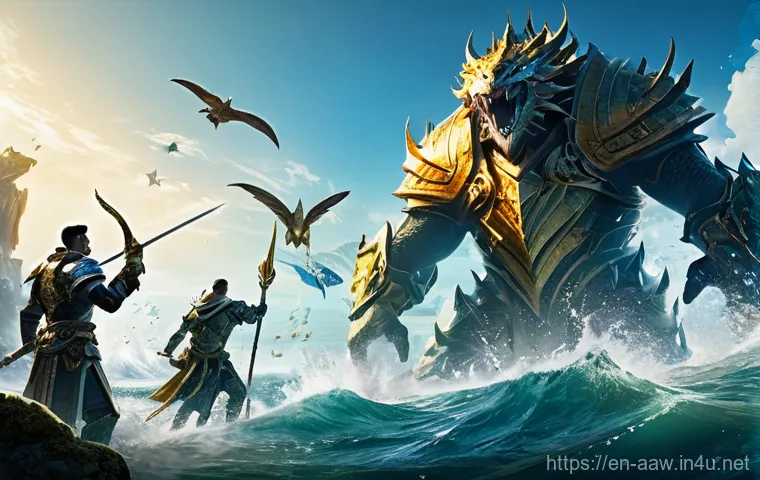
When the unexpected happens, how quickly can your guild pivot? That’s the real test. Having backup plans, being willing to shift focus from one boss to another, or even completely altering your daily routine based on new information, is critical. For example, if a highly contested boss suddenly has a new, easier-to-track spawn window, are you able to redirect your resources to capitalize on it? Or if a previously ignored boss now drops a highly sought-after component, can you quickly put together a team to farm it? I’ve found that guilds that are too locked into a single strategy often get left behind. It’s about having a nimble approach, keeping your options open, and being ready to reallocate personnel and time to whatever promises the greatest return. Don’t be afraid to experiment and adjust; it’s how you discover new efficiencies and maintain your competitive edge.
The Early Bird’s Advantage: Strategic Pre-Positioning
There’s a saying that applies perfectly to world boss hunting: “The early bird gets the worm.” This isn’t just about being on time; it’s about being *early* and *strategically placed*. I’ve learned, through more than a few frustrating close calls, that showing up just as the boss spawns or a minute after a rival faction has engaged it, is often too late. By then, the prime positioning spots are taken, initial damage has been dealt, and you’re already playing catch-up. My philosophy now is to always arrive well in advance, assess the situation, and get my team into optimal positions for the upcoming battle. This pre-positioning isn’t just about gaining a physical advantage; it’s about mental preparation and ensuring your team is calm and ready before the chaos begins. It dramatically reduces the chance of silly mistakes due to rushing and sets the tone for a controlled, successful encounter.
Securing Key Terrain and Control Points
World boss encounters are often miniature battlegrounds, and like any battle, terrain matters. Identifying and securing key control points around the boss spawn area can provide significant advantages. This might mean getting healers onto high ground where they have line of sight and are harder to reach, or positioning ranged damage dealers to avoid cleave attacks from the boss. For sea bosses, it could mean anchoring your ships in specific spots to block rival approaches or to create choke points. I remember one epic Red Dragon fight where our tanks managed to pull the boss into a narrow canyon, effectively bottlenecking the attacking force and allowing our ranged DPS to safely rain fire from above. These tactical choices, made *before* the boss appears, can swing the entire fight in your favor. It’s about thinking ahead and visualizing the battle before it even starts.
Establishing a Secure Presence and Deterrence
Beyond just optimal positioning, establishing an early and visible presence can also act as a deterrent to rival factions. If another guild sees your forces already gathered, organized, and waiting, they might think twice about contesting the boss. It’s a psychological advantage as much as a tactical one. Of course, this isn’t always foolproof, and some rivals will contest no matter what, but it definitely helps. My guild often uses this strategy, arriving with our largest force, clearly visible, before the spawn window. It sends a message: “This is ours.” This also gives you time to set up defensive perimeters, place siege equipment if applicable, or even scout for incoming enemy movements. The calm before the storm is a valuable window for preparation, and neglecting it is a mistake I’ve learned not to make.
Sustaining the Hunt: Long-Term Strategies for Dominance
Let’s face it, world boss hunting isn’t a one-and-done deal. It’s a continuous grind, a marathon, not a sprint. To truly dominate the world boss scene in ArcheAge, you need long-term strategies that ensure your guild remains potent, motivated, and ahead of the curve. This isn’t just about individual boss kills; it’s about building a sustainable ecosystem for success. I’ve seen countless guilds rise and fall, often because they lacked the foresight to plan beyond the next boss kill. The ones that endure are those that invest in their members, their infrastructure, and their knowledge base, continuously refining their approach. It’s about understanding that every boss kill contributes to a larger narrative of guild strength and player progression.
Investing in Guild Infrastructure and Member Development
A strong guild isn’t just a collection of powerful players; it’s a well-oiled machine supported by solid infrastructure. This means investing in things like guild houses, crafting stations, and even providing resources for members to improve their gear or skills. A happy, well-equipped member is a productive member. My guild, for example, often pools resources from less critical boss drops to fund upgrades for key players or to purchase rare materials that benefit everyone. We also make an effort to teach newer members the ropes, patiently explaining boss mechanics and raid strategies. This continuous development ensures a steady stream of capable players, rather than relying solely on a small core group. It’s about nurturing talent and fostering a sense of collective ownership over guild success.
Maintaining Motivation and Preventing Burnout
Constant world boss hunting can be exhausting. The late nights, the intense fights, the inevitable losses – it can lead to burnout if not managed properly. As an influencer, I’ve seen it happen to even the most dedicated players. That’s why maintaining guild morale and preventing burnout is a crucial long-term strategy. This might involve scheduling breaks, rotating leadership roles, or even organizing fun, non-boss-related guild events. Celebrating successes, no matter how small, and acknowledging individual contributions also goes a long way. I personally try to inject humor and positive energy into our comms, especially during tough fights. Remember, this is a game, and while winning is great, enjoying the journey is even better. A motivated, happy guild is a powerful guild, capable of sustaining its dominance over the long haul and truly enjoying the exhilarating challenge of ArcheAge.
Wrapping Up Our Hunt
Whew! What a journey we’ve been on, dissecting the intricate dance of world boss spawns and strategies in ArcheAge. It’s truly incredible how much depth lies beneath the surface of what might seem like a simple timer. I hope my shared experiences and the tactical breakdowns have given you a fresh perspective and, more importantly, armed you with the confidence to tackle your next big hunt. Remember, every successful boss kill, every perfectly executed strategy, and every rare drop is a testament to your dedication, teamwork, and willingness to adapt. Keep those eyes peeled, those communication lines open, and most importantly, keep enjoying the thrill of the chase!
Handy Tips to Keep in Mind
1. Always prioritize building a strong, communicative network, whether it’s within your guild or through broader community channels. No single player can track everything, and collective intelligence is your most potent weapon against unpredictable spawns. Trust me, a good set of eyes on the ground is worth more than gold.
2. Don’t underestimate the power of reconnaissance and pre-positioning. Arriving early and securing strategic vantage points around a boss spawn can give your team a critical edge, both tactically and psychologically, deterring rivals and ensuring optimal engagement.
3. Be a student of the game! Stay updated with patch notes and community discussions. ArcheAge is a living, breathing world, and spawn mechanics can shift. Flexibility and a willingness to adapt your strategies are crucial for sustained success.
4. Think beyond the immediate kill. Establish clear loot distribution rules and consider the broader economic impact of your drops. Sometimes, selling a rare component to fund guild infrastructure or enchantments benefits everyone more in the long run.
5. Most importantly, remember to prevent burnout. World boss hunting can be demanding, so schedule breaks, celebrate small victories, and foster a positive, supportive guild environment. A motivated and happy team is your most valuable asset.
Crucial Points to Remember
Embrace the Dynamic Nature of ArcheAge
The world of ArcheAge is constantly evolving, and so too should your approach to world bosses. I’ve personally seen countless strategies rendered obsolete overnight due to a single patch, or new contenders emerge seemingly out of nowhere. The most resilient boss hunters aren’t those who cling to old methods, but those who quickly analyze changes, experiment with new tactics, and remain agile. This adaptability is the bedrock of long-term dominance. Think of it less as a fixed puzzle and more as a constantly shifting landscape; your ability to navigate it determines your success.
The Human Element is Your Greatest Advantage
While game mechanics and gear are undoubtedly important, never underestimate the power of human connection, communication, and camaraderie. My most memorable boss kills aren’t just about the loot; they’re about the shared laughter, the nail-biting moments of teamwork, and the collective sighs of relief when a tough fight concludes. Investing in your guild’s internal communication, fostering a supportive environment, and ensuring everyone feels valued not only makes the game more enjoyable but also builds an unbreakable unit capable of overcoming any challenge the game throws your way. That synergy is something no amount of in-game currency can buy.
Strategic Planning and Post-Kill Efficiency
Finally, remember that the true measure of a successful boss hunt extends beyond the boss’s HP hitting zero. It encompasses the meticulous planning leading up to the engagement, the seamless coordination during the fight, and the efficient maximization of rewards afterward. I’ve always advocated for a holistic approach, where every step from scouting to loot distribution is optimized. This ensures that every hour you invest, every potion you consume, and every strategy you devise translates into tangible progression for you and your guild. It’s about working smarter, not just harder, to secure your place at the top of the food chain.
Frequently Asked Questions (FAQ) 📖
Q: How can I reliably keep track of
A: rcheAge world boss spawn times and ensure I’m always there for the action? A1: Oh, this is a question that’s been on every ArcheAge player’s mind, including mine, since forever!
The truth is, relying on an old, static list of times found online can be a recipe for disaster. ArcheAge is a living, breathing world, and spawn timers can be quite dynamic, sometimes shifting with game updates or even varying slightly from server to server.
From my own experience, the absolute best way to stay on top of world boss spawns is through your community. Join an active guild – seriously, a good guild is like having your own personal boss-tracking agency.
We’ve often had dedicated members or even bots in our Discord channel that ping us when a boss is spotted or about to spawn. There are also community-made websites or spreadsheets out there, but you absolutely must verify their accuracy for your specific server.
What I do is cross-reference information from my guild’s intel with any public timers I can find, and then personally keep a mental note (or a quick scribble!) of when bosses like Hanure or Rangora were last killed, since many of them operate on a “respawn after death” timer rather than a fixed clock.
It’s a bit of detective work, but that sense of satisfaction when your guild is perfectly positioned as a Kraken spawns? Priceless!
Q: What makes hunting
A: rcheAge world bosses so incredibly important for my character’s growth and my guild’s dominance? A2: You know, it’s funny, when you first start out, world bosses might seem like just another big mob.
But let me tell you, after countless hours pouring into this game, I can confidently say that these epic encounters are the backbone of progression in ArcheAge, both personally and for your guild.
For your character, we’re talking about those coveted drops that can make or break your gear score. Think powerful weapons and armor sets from major bosses like the Red Dragon or Anthalon that are often superior to anything you’d get elsewhere.
And it’s not just direct gear; you can snag rare crafting materials, valuable trade packs, and even pieces for legendary questlines like the Dream Ring.
Beyond the loot, some smaller bosses can actually be tamed to become fantastic battle pets, adding another layer of power to your arsenal. For the guild, it’s about so much more!
It’s prestige, it’s Gilda Stars for those essential guild projects, and it’s about establishing dominance. Contested world bosses, especially the Kraken or Leviathan, often turn into massive PvP battles, and emerging victorious from those fights not only secures the loot but also sends a clear message to rival factions about who truly rules the server.
That competitive edge, my friends, is what keeps guilds thriving!
Q: Beyond just timing, what are your top-tier tips for successfully conquering a world boss and truly maximizing my chances for those epic drops?
A: Alright, so you’ve got the timing down – that’s half the battle! But actually downing a world boss and securing that sweet, sweet loot? That takes a little more finesse and a whole lot of coordination.
First off, preparation is key. I’ve learned the hard way that rushing in unprepared is a quick trip to the respawn point. Make sure your gear is repaired, your consumables are stocked (potions, scrolls, food buffs – the works!), and you’ve got a solid group composition.
A good mix of tanks, healers, and DPS is crucial, and don’t forget those utility classes for buffs and crowd control. When it comes to travel, especially for ocean bosses like the Kraken, having fast ships and knowing your routes is non-negotiable.
You don’t want to arrive late to the party only to watch another guild nab the kill. During the fight itself, communication is paramount. Listen to your raid leader, stick to your assigned roles, and be ready for PvP at a moment’s notice, because believe me, other factions are always lurking.
For specific bosses, knowing their mechanics is a huge advantage – things like kiting positioning for Anthalon or managing the Red Dragon’s phases. Finally, and this is a pro-tip from my own chaotic experiences, don’t just blindly spam abilities!
Optimize your damage rotation, keep an eye on your aggro, and if it’s a tamable boss you’re after, make sure the designated tamer is ready with their Legendary or Mythic Net when the boss hits that critical low health, usually under 10%.
Timing your net throw can be the difference between getting a rare pet and a heartbreaking whiff!