Building the perfect party setup in ArcheAge can make all the difference between a smooth adventure and a frustrating grind. Whether you’re tackling intense PvP battles or exploring challenging dungeons, having a well-balanced team ensures everyone shines in their role.

From tanking and healing to dealing massive damage, each class brings unique strengths that, when combined thoughtfully, create unstoppable synergy. Over the years, I’ve seen how strategic party composition not only boosts success rates but also enhances the overall gaming experience.
If you want to master your group dynamics and dominate your quests, this guide will walk you through the essentials. Let’s dive deeper and uncover the secrets to optimizing your ArcheAge party!
Crafting a Balanced Team Composition
Understanding Roles and Responsibilities
When assembling a party in ArcheAge, the first step is grasping the core roles each class plays. Tanks absorb damage and control enemy focus, healers sustain the team’s health, and DPS (damage per second) classes dish out the offensive power.
In my experience, parties that neglect one role often struggle to maintain momentum, especially in high-pressure scenarios like raid bosses or battlegrounds.
For example, without a reliable tank, your DPS will be overwhelmed quickly, and without healers, survivability plummets. Striking the right balance ensures that your team can adapt to different challenges without constantly wiping or retreating.
Synergizing Class Abilities for Maximum Efficiency
Beyond just filling roles, it’s crucial to consider how class skills complement each other. Some classes provide buffs or debuffs that amplify the damage or defense of allies, while others specialize in crowd control or utility.
I’ve found that pairing a mage who can slow enemies with a rogue who excels in burst damage creates deadly combos that can shut down enemy players or mobs swiftly.
Additionally, some healers offer shields or cleanse effects that prevent crowd control, which can be a game-changer in PvP. Experimenting with different combos and paying attention to cooldown timings often separates a good party from a great one.
Adapting Your Lineup Based on Activity Type
Not all parties need the same setup. For dungeon runs, I prefer a sturdy tank, two DPS with a mix of AoE and single-target skills, and a versatile healer who can also provide buffs.
However, in PvP, mobility and crowd control become more valuable, so I might swap out a traditional tank for a class that can kite or disrupt enemy formations.
This flexibility has saved me countless times during spontaneous skirmishes. Knowing your team’s strengths and tweaking the party composition accordingly keeps your group competitive across different game modes.
Leveraging Communication and Coordination
Establishing Clear Roles Before Engagement
One of the biggest pitfalls I’ve seen is a lack of clarity on who’s responsible for what in the heat of battle. Before starting a quest or entering a dungeon, it pays off to have a quick rundown of roles and expectations.
For instance, designating one player as the primary target focus or calling out when to use big cooldowns can prevent chaotic overlaps or wasted abilities.
In my last guild raid, simply agreeing on a “healer first” priority target saved us from multiple near-wipes, proving that communication is as vital as skill.
Utilizing Voice Chat and Macros
Text chat can be slow and clunky in fast-paced fights. That’s why I always recommend using voice chat tools like Discord or TeamSpeak. Hearing real-time calls to retreat, switch targets, or use crowd control effects can turn the tide instantly.
Additionally, setting up macros for common commands or target marking helps keep everyone on the same page without spamming chat. These small tweaks improve reaction times and reduce confusion, which is crucial in tight PvP matches or timed dungeon runs.
Managing Group Dynamics and Conflict
Even the best compositions can falter if personalities clash. I’ve personally experienced parties where ego or frustration led to poor teamwork despite solid class synergy.
Encouraging positive communication, recognizing each member’s contributions, and occasionally rotating roles to keep things fresh can improve morale and performance.
Remember, a happy party is a productive party. Taking time to address conflicts early prevents bigger issues down the line and keeps the focus on fun and victory.
Optimizing Gear and Skill Builds for Party Success
Coordinating Gear Choices to Complement Roles
Gear isn’t just about individual power; it’s about enhancing the party’s overall effectiveness. For example, tanks should prioritize defensive stats like endurance and block, while DPS classes focus on critical hit and attack power.
Healers benefit from gear that boosts healing potency and mana regeneration. I’ve noticed that when everyone tunes their gear toward their specific role rather than just raw stats, the party’s survivability and damage output improve noticeably.
This requires some planning and honest discussion about who needs what, but the payoff is huge.
Customizing Skill Trees for Team Benefits
ArcheAge’s skill system allows for deep customization, and aligning your skill choices with your party’s needs can unlock powerful synergies. For instance, a healer might pick certain talents that increase shield effectiveness if your tank relies heavily on blocking.
Meanwhile, a DPS could invest in debuffs that make enemies more vulnerable to magic damage, complementing your mage’s attacks. I’ve spent hours tweaking builds with my guildmates, and it’s always rewarding when our combined efforts make challenging content feel manageable.
Adjusting Builds Based on Encounter Type
Different content demands different approaches. In PvE, survivability and sustained damage are often key, while PvP might require burst damage and crowd control.
I’ve switched my build multiple times depending on whether we’re tackling a raid or engaging in open-world PvP. This flexibility keeps the party versatile and ready for anything.
Sharing build changes and explaining your choices to teammates fosters better understanding and helps everyone optimize their gameplay.
Utilizing Environmental and Tactical Advantages
Exploiting Terrain for Strategic Positioning
One thing that often gets overlooked is how the battlefield’s layout can influence the fight. I’ve found that positioning your tank near choke points or natural cover can control enemy movement and reduce incoming damage.
Meanwhile, ranged DPS benefit from high ground or safe distances to maximize their output without risk. Healers should stay near the center but avoid clustering too much to prevent AoE damage.
Being mindful of surroundings and adjusting your formation accordingly can drastically reduce wipe chances.
Timing Abilities Around Environmental Factors
Certain areas or events introduce environmental hazards or buffs that can turn the tide. For example, some dungeons have traps that can stun or poison your party, so saving defensive cooldowns or cleansing abilities for those moments is crucial.
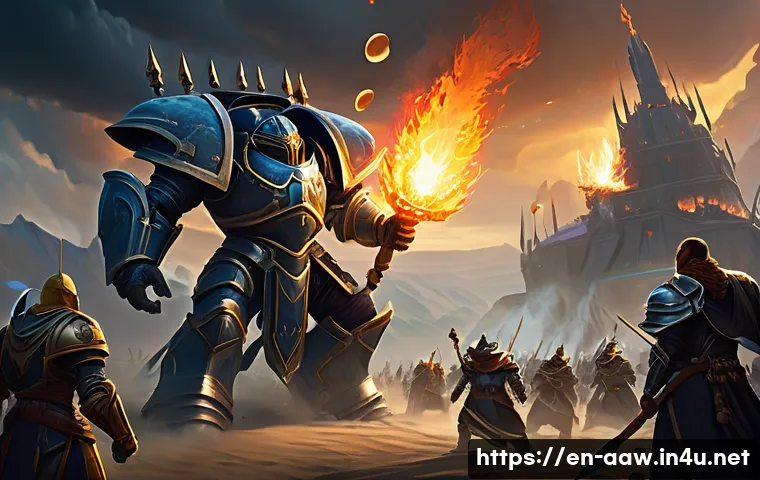
Similarly, timing your ultimate abilities to coincide with buffs from the environment or party buffs enhances their impact. I’ve learned to watch the environment as closely as my party members, which often gives us a subtle but vital edge.
Planning Escape Routes and Recovery Strategies
Not every fight goes perfectly, and having a plan for retreat or regrouping is essential. Designating safe zones or fallback points before engaging lets the party recover and heal without panic.
I remember a dungeon run where we got overwhelmed, but because we had a pre-agreed escape route, we avoided a wipe and came back stronger. Encouraging calm under pressure and having contingency plans built into your strategy keeps the team resilient.
Enhancing Party Longevity with Resource Management
Balancing Mana and Stamina Usage
Sustaining your party’s resources throughout long fights or extended questing is a challenge I’ve faced repeatedly. Healers often burn through mana quickly, and DPS can run out of stamina, limiting their ability to dodge or sprint.
Coordinating cooldown usage and pacing your attacks can conserve these vital resources. For instance, staggering high-cost abilities rather than stacking them all at once prevents sudden resource depletion that leaves the party vulnerable.
Efficient Consumable Use and Sharing
Consumables like potions and food buffs are lifesavers but limited in quantity. Sharing these resources strategically among party members can extend your survivability and damage output.
I’ve seen groups where one player hoards all the potions, causing unnecessary deaths, versus those who distribute them based on who needs them most at the moment.
Keeping an eye on each other’s status and swapping consumables when needed builds trust and keeps everyone fighting longer.
Managing Cooldowns for Sustained Combat
Cooldown management is another skill that separates good parties from great ones. Using powerful abilities too early or all at once can leave your team exposed later.
In my experience, mapping out a rough cooldown rotation within the party—like having one DPS save their burst for boss phases while another handles adds—keeps pressure constant without exhaustion.
This coordination requires practice but drastically improves performance and reduces downtime between fights.
Analyzing Party Performance and Continuous Improvement
Tracking Success Metrics and Feedback
After every raid or dungeon, taking time to review what went well and what didn’t makes a huge difference. I usually ask my team for feedback on positioning, communication, and skill usage.
Some guilds even use tools or logs to analyze damage, healing, and deaths. This honest evaluation uncovers patterns that might be holding the party back and highlights areas for improvement.
Being open to criticism and focused on growth fosters a stronger, more cohesive team.
Experimenting with New Compositions and Strategies
Sticking to one party composition can become stale and less effective as the game evolves. I like to try out new class combinations or tactics regularly to keep the team fresh and adaptable.
Sometimes a surprising mix—like adding a support class with unconventional buffs—can shake things up and improve results. Encouraging creativity and experimentation keeps the group engaged and often leads to breakthroughs in challenging content.
Maintaining Motivation and Team Spirit
Finally, keeping morale high is essential for long-term success. Celebrating victories, even small ones, and supporting each other during tough losses builds a positive atmosphere.
I’ve noticed that motivated teams perform better under pressure and are more willing to push through difficult content. Organizing casual play sessions or social events outside of serious runs also strengthens bonds and makes the game more enjoyable overall.
| Role | Primary Focus | Key Attributes | Recommended Gear Stats | Essential Skills/Abilities |
|---|---|---|---|---|
| Tank | Damage absorption, enemy control | High endurance, defense, threat generation | Endurance, Block, Health | Taunts, shields, crowd control |
| Healer | Health restoration, support buffs | High mana pool, healing potency, mana regen | Healing power, mana regen, cooldown reduction | Heals, shields, cleanse |
| DPS (Melee) | High burst and sustained damage | Critical hit, attack power, stamina | Critical hit, Attack power, Stamina | Combo attacks, debuffs, mobility skills |
| DPS (Ranged) | Damage from a distance, crowd control | Accuracy, attack power, critical hit | Attack power, Accuracy, Critical hit | Snipes, slows, AoE attacks |
| Support | Buffs, debuffs, utility | Mana regen, cooldown reduction, versatile stats | Cooldown reduction, Mana regen, Buff power | Buffs, debuffs, crowd control |
Conclusion
Building a well-rounded party in ArcheAge takes thoughtful planning and teamwork. By understanding each role, communicating effectively, and adapting to different scenarios, your group can overcome even the toughest challenges. Remember, success comes not only from individual skill but from how well the team functions as a whole. Keep experimenting, stay flexible, and enjoy the journey together.
Useful Tips to Keep in Mind
1. Always clarify each player’s role before starting any activity to avoid confusion during combat.
2. Use voice chat and macros to improve real-time coordination and reduce communication delays.
3. Customize your gear and skill builds to support your team’s specific needs rather than focusing solely on personal power.
4. Take advantage of the environment by positioning your team strategically and timing abilities around terrain effects.
5. Regularly review your team’s performance and be open to trying new strategies to keep gameplay fresh and effective.
Key Takeaways for Team Success
Effective party composition is about balancing roles, communication, and adaptability. Prioritize clear responsibilities, synchronize your skills and cooldowns, and manage resources wisely to maintain sustained combat effectiveness. Don’t underestimate the power of environmental awareness and planned escape routes. Above all, foster positive group dynamics to keep morale high and ensure long-term success in both PvE and PvP content.
Frequently Asked Questions (FAQ) 📖
Q: What is the ideal party composition for balanced gameplay in
A: rcheAge? A1: From my experience, the best party setup usually includes a tank, a healer, and two damage dealers. The tank soaks up damage and controls enemy attention, allowing the healer to keep everyone alive.
Meanwhile, damage dealers focus on quickly eliminating threats. Depending on your playstyle, you might swap one damage dealer for a crowd control or support class to add more utility.
This balance ensures survivability and efficiency, making both PvE and PvP encounters smoother and more enjoyable.
Q: How important is communication and coordination in an
A: rcheAge party? A2: Communication is absolutely crucial. I’ve found that even the strongest party can falter without clear coordination.
Whether you’re calling out incoming threats, timing heals, or syncing burst damage, good teamwork can turn the tide of any battle. Using voice chat or quick text commands helps everyone stay on the same page.
In fact, some of my best runs came from groups that communicated well, adapting their strategies on the fly rather than just relying on raw power.
Q: Can I succeed in difficult dungeons or PvP with a party made up of mostly damage dealers?
A: While having multiple damage dealers sounds tempting for fast kills, it often backfires without proper support roles. I’ve learned the hard way that lacking a solid tank or healer leads to frequent wipes.
Damage dealers tend to be squishy, so without someone to absorb hits or sustain the team, you’ll struggle to survive tougher content. If you prefer a damage-heavy party, make sure at least one member can provide crowd control or emergency healing to keep things balanced.