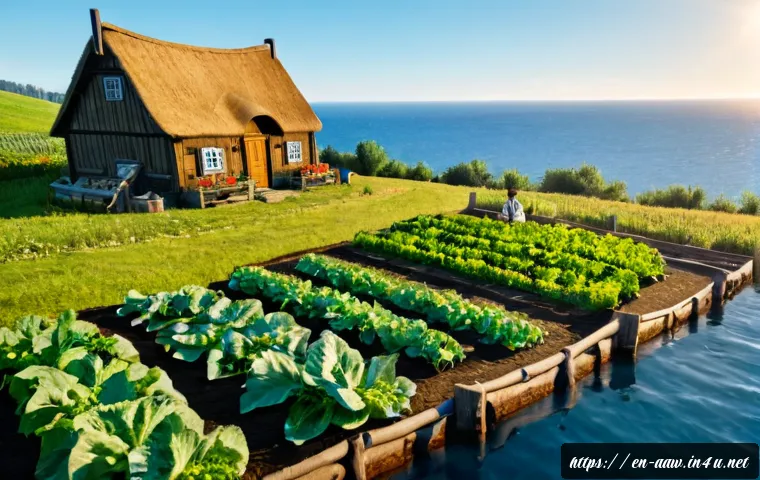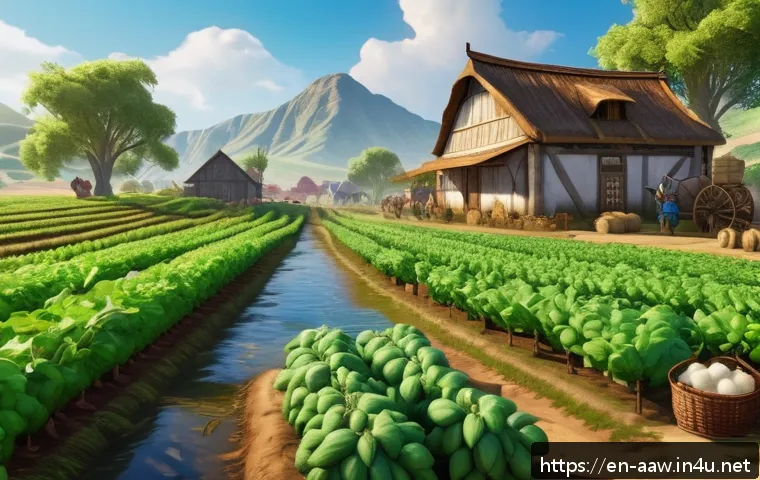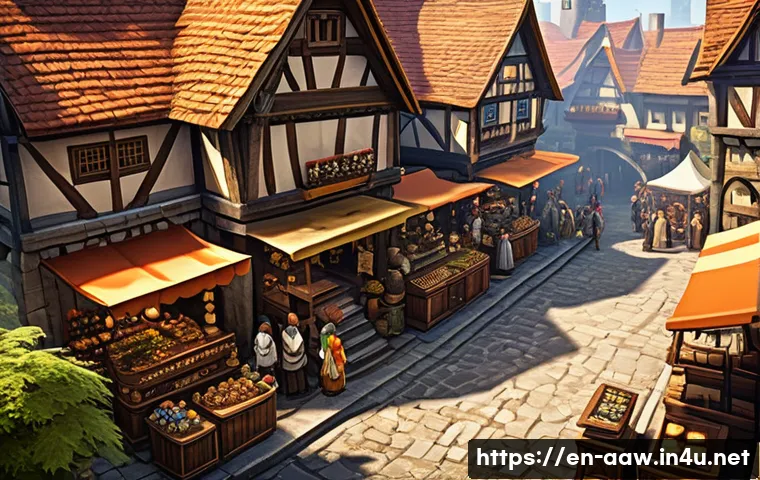
Diving into the economic system of ArcheAge reveals a fascinating blend of player-driven markets, resource management, and dynamic trade routes that shape the in-game world.

Understanding how currency flows, supply and demand interact, and how crafting impacts value can give you a significant edge. Whether you’re a seasoned trader or just starting, grasping these mechanics can transform your gameplay experience.
I’ve spent countless hours navigating this complex economy, and the insights I’ve gathered truly changed how I approach the game. Let’s explore the intricacies and strategies that make ArcheAge’s economy tick—get ready to uncover the details in the following sections!
Mastering the Flow of Currency and Trade Dynamics
Understanding Gold Circulation in ArcheAge
In ArcheAge, gold isn’t just a number; it’s the lifeblood of every player’s journey. From my experience, the flow of gold is heavily influenced by player-driven activities like farming, crafting, and trading.
Unlike static economies, ArcheAge’s gold moves dynamically, responding to supply and demand shifts, which means that the timing of your sales or purchases can drastically affect your profits.
For instance, selling crafted goods right after a major patch or event can fetch higher prices due to increased demand. I’ve noticed that hoarding rare materials until market scarcity hits can be a game-changer, but it requires patience and an eye for market trends.
Gold sinks, such as taxes on trade packs or upkeep for housing, also pull currency out of circulation, subtly balancing the economy and preventing inflation.
So, understanding how gold enters and exits the system is crucial if you want to maximize your wealth.
How Supply and Demand Shape Market Prices
The market in ArcheAge is a living entity where supply and demand govern everything. When a specific resource or item becomes scarce—say, rare ores or enchanting materials—prices skyrocket, encouraging players to either farm aggressively or craft items that use alternative materials.
Conversely, when a flood of goods hits the market, prices plummet, sometimes forcing players to hold off on selling until the market stabilizes. I’ve personally had moments where rushing to sell a batch of trade packs led to minimal returns, whereas waiting a day or two brought in double the gold.
Seasonal events and server population shifts also play a big role; for example, during server merges or new content releases, demand for certain goods spikes, creating prime selling opportunities.
Tracking these patterns and adjusting your strategy accordingly can make all the difference in turning a profit.
Trade Routes: Navigating Risk and Reward
Trade routes in ArcheAge add an exciting layer of risk versus reward. Transporting trade packs from one zone to another can be lucrative, but you’re constantly exposed to player pirates and environmental hazards.
I remember one run where I barely escaped a ganking attempt, which taught me to always plan my routes carefully and consider escorting with guildmates for protection.
Routes closer to conflict zones offer higher profits due to increased risk, while safer routes yield smaller, more consistent returns. Beyond just picking routes, timing your trips during off-peak hours can reduce player encounters, while peak times can mean more risk but also more potential for rewarding skirmishes.
Balancing these factors and knowing when to take the safer path or gamble on the riskier one is key for any trader aiming to thrive.
The Crafting Economy: Turning Materials into Gold
Crafting Professions and Their Market Impact
Crafting in ArcheAge isn’t just a side activity; it’s a cornerstone of the economy. Different crafting professions—like alchemy, tailoring, and blacksmithing—allow players to transform raw materials into valuable goods that others desperately need.
I’ve spent hours leveling my crafting skills, and what stood out was how certain crafted items, especially those tied to endgame content or trade packs, hold significant market value.
The demand for crafted gear and consumables fluctuates based on patch updates and player progression, so staying updated on meta shifts can give you a leg up.
Moreover, specialization within crafting—like focusing on high-tier potions or rare furniture—can carve out a niche market where you face less competition and enjoy higher profit margins.
Material Gathering: The Foundation of Crafting
Without materials, crafting grinds to a halt. Gathering resources like ores, herbs, and lumber requires knowledge of spawn locations and timing. From my own experience, efficient farming routes and utilizing farming nodes during off-peak hours can significantly boost material yield.
Investing time into understanding which zones offer the best resources for your crafting focus pays dividends. Additionally, some materials are region-specific or tied to dangerous zones, which means gathering them involves a calculated risk.
Balancing the risk of resource gathering against the potential profit from crafting is an ongoing strategic decision every serious crafter must make.
Market Trends and Crafting Profitability
Crafting profitability hinges on market trends, which can be volatile. Items that are hot sellers one week might saturate the market the next. I’ve learned to use the Auction House as a pulse on these trends, watching for price spikes and dips.
Sometimes, buying out materials in bulk before a major update and crafting in anticipation can yield massive profits. However, this strategy requires upfront capital and confidence in market predictions.
Another tip is diversifying your crafted goods to avoid relying on a single item’s success. Keeping an eye on patch notes, community forums, and trade chat can provide early warnings about upcoming demand shifts, helping you adjust your crafting priorities accordingly.
Player-Driven Markets and Auction House Strategies
Optimizing Your Listings for Maximum Profit
Listing items on the Auction House isn’t as straightforward as it looks. From personal experience, timing and pricing strategies can make or break your sales.
Posting items during peak player activity hours increases visibility but also competition, which can drive prices down. Conversely, off-peak listings might sell slower but often at higher prices due to less competition.
I’ve experimented with staggered listings—putting smaller batches of high-demand items up throughout the day—to keep my inventory moving steadily. Additionally, undercutting competitors by a small margin often secures faster sales, but too aggressive undercutting erodes profits.
Finding that sweet spot requires patience and regular market monitoring.
Understanding Market Fees and Their Impact
Every sale on the Auction House comes with fees that chip away at your earnings. Through trial and error, I found that factoring these fees into your pricing is essential to avoid losses.
For example, listing fees are typically fixed, but final sale fees are percentage-based, which means higher-priced items cost more to sell. This subtle detail influences whether it’s better to sell items in bulk or individually.
Knowing when to hold items for a better price versus quick sales to maintain liquidity is a balancing act that experienced players master over time.
Market Manipulation and Ethical Trading
While some players attempt to manipulate the market by hoarding or price fixing, I’ve found that ethical trading—focusing on fair prices and consistent supply—builds long-term trust within the community.
This approach might not yield instant massive profits, but it fosters repeat buyers and a stable reputation. Watching for suspicious market activity can also alert you to trends or potential market crashes, allowing you to adjust your strategy preemptively.
Staying informed and connected with other traders creates a collaborative environment where everyone benefits.
Resource Scarcity and Its Effects on Gameplay
Identifying High-Value Resources
Certain resources in ArcheAge are incredibly rare and command premium prices. These include rare ores, special herbs, and unique crafting components tied to endgame gear.
From my farming runs, I noticed that these resources often require venturing into contested zones or completing challenging quests, which adds to their value.
Prioritizing these materials in your gathering efforts can yield significant returns, but it’s important to weigh the risks involved. Patience and persistence pay off, as these rare finds are consistently in demand by crafters and traders alike.
Impact of Resource Scarcity on Player Behavior
Resource scarcity shapes how players interact with the world. I’ve observed that when a resource becomes scarce, players band together for farming parties or increase PvP activity around hotspots.
This creates dynamic gameplay moments that are both thrilling and challenging. Scarcity also encourages diversification, pushing players to explore alternative crafting paths or trade routes.
Economically, scarcity drives prices up, creating incentives for players to take risks or invest in gathering professions. Understanding these behavioral shifts helps you anticipate market movements and player actions.
Strategies to Mitigate Scarcity Risks
To manage the unpredictability of resource scarcity, I developed a few go-to strategies. First, I always keep a stockpile of alternative materials to pivot my crafting if needed.
Second, collaborating with guildmates to control resource-rich territories ensures a more stable supply. Lastly, investing in knowledge—such as learning about spawn timers and safe farming routes—reduces the risk of failed farming trips.
These tactics help smooth out the volatility that scarcity introduces, allowing for more consistent economic gains.
Balancing Production and Consumption in Your Gameplay
Managing Inventory and Storage Efficiently
One challenge I faced early on was managing the sheer volume of materials and crafted goods. Efficient inventory management became crucial to avoid bottlenecks that slowed down my trading and crafting cycles.
Utilizing multiple storage options, such as personal warehouses, guild vaults, and trade packs, helped me streamline my workflow. Organizing items by category and priority also made it easier to respond quickly to market opportunities.
This kind of systemized approach minimizes downtime and maximizes your capacity to capitalize on economic shifts.
Matching Production to Market Demand
Producing goods without market demand is a recipe for wasted time and resources. I learned to keep a close eye on what sells best and tailor my production accordingly.
This means not only crafting popular items but also adjusting quantities to avoid oversupply, which can tank prices. Tools like market tracking addons and community forums have been invaluable for gauging demand trends.
Striking the right balance between production volume and market absorption ensures steady income and less risk of inventory stagnation.
Using Consumption Patterns to Predict Market Needs
Observing how players consume goods—whether for gearing up, housing, or PvP—gives clues about upcoming market demands. For example, when a new dungeon or raid releases, demand for specific consumables and gear skyrockets.
I’ve found that staying plugged into patch notes and community buzz helps me anticipate these spikes. Adjusting my crafting and trading plans in advance lets me ride the wave of demand instead of chasing it.
This proactive approach turns market unpredictability into a strategic advantage.
Economic Risks and Opportunities in PvP and Guild Wars
How Conflict Zones Affect Trade and Resource Control
Conflict zones in ArcheAge create hotspots where economic activity and PvP collide. From my firsthand experience, controlling these areas grants access to rich resources and lucrative trade routes but comes with constant threat from enemy players.
This tension adds a thrilling risk factor to economic pursuits. Guilds that dominate these zones can influence market prices by controlling supply lines or blocking trade routes.
Participating in or avoiding these conflicts depends on your risk tolerance and strategic goals, but either way, these zones are pivotal in shaping the broader economy.
Guild Cooperation and Economic Power
Guilds play a massive role in ArcheAge’s economy by pooling resources, coordinating trade runs, and controlling territories. Joining a guild with strong economic ambitions can accelerate your wealth-building significantly.
I’ve seen guilds establish monopolies on certain resources or crafting outputs, which lets them set market prices and negotiate better trade deals. Beyond financial gain, guild cooperation also provides security during trade runs and resource farming.
However, it requires trust and active participation, so choosing the right guild is a critical decision for serious traders.
Capitalizing on PvP Events for Economic Gain
PvP events often disrupt normal economic patterns but also create unique opportunities. For example, loot from PvP encounters or event rewards can be sold for premium prices due to their rarity.
I’ve taken advantage of these events by preparing trade packs and crafting consumables ahead of time, which often sell like hotcakes during and after the chaos.
Additionally, some players specialize in “event flipping,” buying up event-related items early and reselling them later at inflated prices. Understanding the economic ripple effects of PvP events adds another dimension to your trading strategy.
Key Economic Metrics and Their Interpretation
Tracking Inflation and Deflation Trends
Monitoring inflation and deflation within ArcheAge’s economy can help you make smarter decisions about when to buy or sell. From my observations, inflation often occurs after large gold injections, such as major events or giveaways, leading to rising prices across the board.
Deflation, on the other hand, happens when gold sinks like housing upkeep or trade taxes intensify, pulling currency out of circulation. Recognizing these trends early allows you to hedge your investments or shift your focus to more stable commodities.
Keeping tabs on price indexes for key items is a habit I recommend for anyone serious about market success.
Interpreting Player Behavior Through Economic Signals
Economic metrics often reflect broader player behavior trends. For instance, a sudden spike in resource prices might indicate an influx of new players or a patch that increases crafting demand.
Likewise, a drop in trade pack prices could suggest decreased PvP activity or player burnout. These economic signals act as a barometer for the game’s health and player engagement.
I’ve learned to use these insights to adjust my gameplay—whether that means farming more aggressively, crafting different items, or shifting to safer trade routes.
Using Data to Forecast Market Movements
Data-driven forecasting might sound complex, but even simple observations can yield powerful predictions. By tracking the supply levels, average prices, and frequency of sales for key items over time, I’ve been able to anticipate market shifts with surprising accuracy.
This allows me to buy materials ahead of demand surges or sell crafted goods just before prices peak. While no prediction is foolproof, combining market data with in-game events and patch notes creates a reliable framework for strategic economic decisions.
| Economic Factor | Impact on Gameplay | Example | Strategy Tip |
|---|---|---|---|
| Gold Circulation | Determines liquidity and player buying power | Gold sinks like trade taxes reduce inflation | Time sales to avoid market saturation |
| Supply and Demand | Drives price fluctuations of goods | Rare crafting materials spike after patch | Hold stock until demand increases |
| Trade Routes | Risk vs reward in transporting goods | Riskier routes yield higher profits but more PvP threats | Use guild escorts during risky runs |
| Crafting | Transforms raw materials into valuable items | High-tier potions sell well during raids | Diversify crafted goods based on market trends |
| Market Fees | Reduces net profits from sales | Final sale fees increase with item price | Factor fees into pricing strategy |
| Resource Scarcity | Increases item value and gameplay tension | Rare ores spawn in contested zones | Develop safe farming routes |
| PvP and Guild Wars | Control over resources and trade routes | Guilds monopolize resource nodes | Join active guilds for economic security |
| Economic Metrics | Indicate market health and player behavior | Price spikes signal increased demand | Use data to forecast market moves |
Conclusion
Mastering the economic flow in ArcheAge requires a keen understanding of how gold circulates, how supply and demand influence prices, and the risks involved in trade routes and PvP zones. From crafting to market strategies, adapting to dynamic changes and player behavior is essential for success. With patience and strategic planning, you can turn these insights into consistent profits and a thriving in-game economy.
Useful Information to Keep in Mind
1. Timing your sales around patches and events can significantly boost profits due to shifts in demand.
2. Efficient resource gathering, especially in contested zones, requires balancing risk and reward carefully.
3. Diversifying crafted goods and monitoring market trends helps protect against sudden price drops.
4. Guild cooperation not only enhances security during trade runs but also strengthens market influence.
5. Keeping an eye on economic indicators like inflation and player activity can guide smarter buying and selling decisions.
Key Takeaways for Success
Understanding the flow of currency and market dynamics is crucial in ArcheAge’s player-driven economy. Successful players balance risk and reward by choosing optimal trade routes and managing inventory efficiently. Staying informed about market trends, patch updates, and player behavior allows for proactive adjustments in crafting and trading strategies. Collaborating within a guild can provide both security and economic advantages, while ethical trading builds long-term community trust. Ultimately, consistent observation and adaptability are the pillars of thriving in this complex virtual marketplace.
Frequently Asked Questions (FAQ) 📖
Q: How does player-driven trading influence the economy in
A: rcheAge? A1: Player-driven trading is at the heart of ArcheAge’s economy. Since most goods and resources are produced and traded by players themselves, market prices fluctuate based on supply and demand.
For example, if a popular crafting material becomes scarce due to high demand or limited farming, its price skyrockets. This dynamic encourages players to explore trade routes, invest in production, or specialize in certain goods to maximize profits.
From my experience, understanding which items are trending and timing your sales can make a huge difference in your in-game wealth.
Q: What role does crafting play in the value of items and the overall economy?
A: Crafting is a major driver of value in ArcheAge’s economy because it transforms raw materials into high-demand goods. Crafted items often sell for much more than the sum of their parts, especially if they require rare ingredients or complex recipes.
Personally, I found that investing time in leveling crafting skills and gathering rare resources allowed me to produce sought-after gear and trade goods that consistently fetched higher prices.
This not only boosted my income but also gave me more control over supply chains, making crafting a key strategy for economic success.
Q: How do resource management and trade routes affect economic strategies in the game?
A: Managing resources efficiently and choosing the right trade routes are crucial for maximizing profits. Resources are scattered across different zones, and transporting goods along safe, efficient routes can reduce losses from player ambushes or environmental hazards.
I’ve learned that planning trade runs to avoid dangerous areas or timing shipments during off-peak hours can save resources and increase earnings. Additionally, securing trade packs and delivering them along profitable routes offers consistent income, so combining smart resource gathering with strategic trade routes is a winning formula in ArcheAge’s economy.